.png)
A high-converting Miami lead funnel starts with high-intent Maps and search visibility, routes prospects to service-specific pages built for calls and booking, uses proof and boundaries to qualify, applies light verification to prevent spam, and converts more leads through rapid follow-up and tracked optimization.
In short
A high-converting Miami funnel captures high-intent demand, qualifies it fast, and routes it to the fastest path to booking. The funnel is: Maps and search intent into a service-specific page, clear proof and boundaries, a call or booking-first CTA, light qualification and verification, then rapid follow-up with confirmations and reminders.
What to do, step by step
Start with one funnel per core service. Do not send every lead to one generic page. Build a dedicated landing page for each service with one goal: call, book, or request a quote.
Capture high-intent traffic first. Optimize Google Business Profile services and categories, then target keywords that signal buying intent like near me, repair, install, emergency, open now, and same-day. Avoid building funnels on informational traffic if bookings are the goal.
Build a conversion-first landing page. Above the fold: headline that matches the service and Miami intent, one clear promise, click-to-call, and a primary booking or quote CTA. Add service area clarity and hours so the right people convert and the wrong people drop off.
Add proof blocks that justify action. Place reviews, before and after photos, credentials, and a short process section near the top. Add an FAQ that answers call-driving questions: service area, pricing drivers, timeline, warranty, and next steps.
Use smart friction to qualify leads. Keep the form short but structured: service type, ZIP or neighborhood, timeframe, and phone. Use dropdowns, CAPTCHA, and validation. For high-ticket services, add a second step with budget or job size.
Offer the fastest path to booking. For urgent services, push call-first during business hours and booking after hours. For non-urgent, allow direct scheduling. Always confirm by SMS or email with the booking window and expectations.
Route leads by rules. Send emergencies to phone, installs to scheduled consults, and low-intent to nurture. Do not let every lead hit the same inbox.
Build missed-call and no-response recovery. Use SMS: "Missed your call, what ZIP and what service do you need?" Use reminders and follow-up sequences that stop when the lead books.
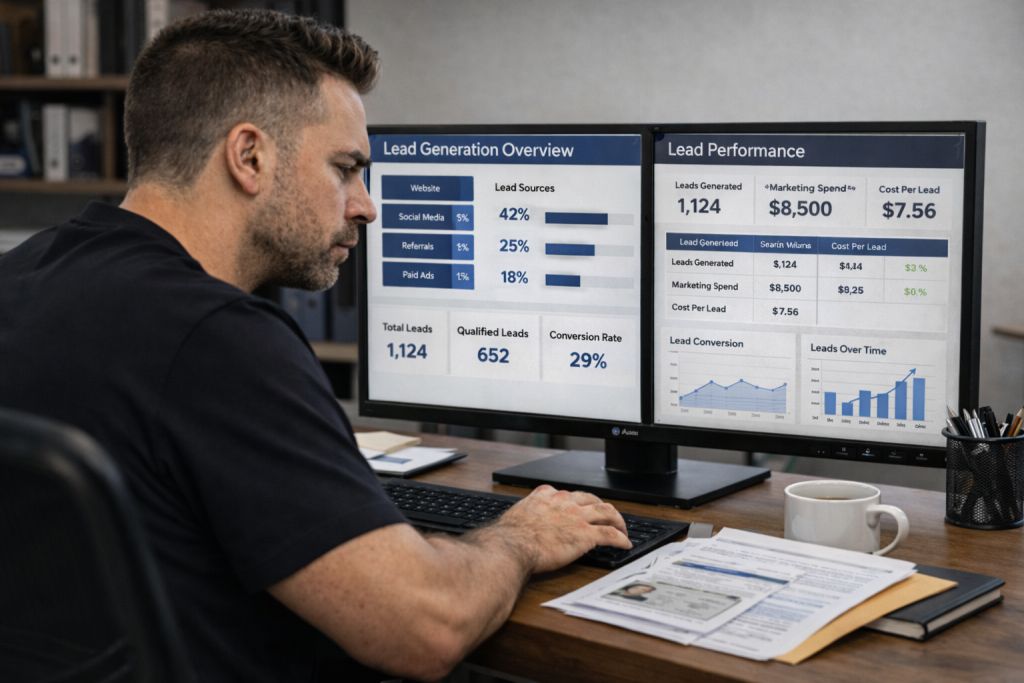
Track the full funnel by outcomes. Measure visits, calls, forms, qualified rate, booked rate, show rate, and close rate by service and by source. Improve one bottleneck per week.
From real life
Miami funnels fail when they mix intents: broad ads to a generic contact page, no proof, no boundaries, and slow response. Funnels win when they are service-specific, proof-heavy, qualification is light but real, and follow-up is immediate.
Bottom line
To build a high-converting funnel in Miami, design one funnel per service, capture high-intent demand, use a conversion-first page with proof and boundaries, qualify leads with structured fields and verification, route leads to the fastest booking path, and optimize weekly using booked and closed outcomes.
Start with service funnels. Add neighborhood funnels only if you can keep them unique and proof-based.
Urgent services convert best with calls. Planned projects can convert well with booking links. Use both and route by intent and hours.
Tighten traffic intent, add ZIP and timeframe fields, require phone, and use CAPTCHA plus validation.
Improve speed to answer and add SMS confirmation and missed-call recovery.
We build revenue-driven marketing systems for service businesses that need real customers, not just traffic.
This is a focused conversation to understand where your growth is being blocked and whether our system is the right fit. We will review your visibility, current marketing efforts, and next steps. If it makes sense, we move forward together. If not, you will leave with clarity.
Scheduale Your Call-min.jpg)
.jpeg)