.png)
To cut spam and low-intent leads in Miami, tighten traffic sources, protect and validate forms, add simple qualifiers like service, ZIP, and timeframe, screen calls early, and optimize based on booked outcomes, not total submissions.
In short
You reduce spam and low-intent leads by filtering earlier and verifying faster. In Miami, the biggest gains come from tightening traffic sources, adding light friction to forms, qualifying call and form leads with a few required signals, and routing only real buyers to your team. Expect fewer total leads but a higher booked rate.
What to do, step by step
Fix the source first. Review which channels drive spam: Google Ads broad match, Display, Performance Max, low-quality directories, or open forms indexed for broad queries. Tighten keyword intent, add negatives, and route high-intent traffic to service-specific pages, not a generic contact page.
Add form protection and validation. Use CAPTCHA, server-side validation, and basic bot filtering. Require a real phone number and validate format. Add an email check if spam is heavy. If you use booking, add SMS or email confirmation before the appointment is accepted.
Qualify with 2 to 3 fields that bots hate and buyers answer easily. Use service type, ZIP or neighborhood, and timeframe. Use dropdowns instead of open text where possible. If you need one more, add property type or job size. Keep the form short but not wide open.
Add clear boundaries on the page. State service area, minimums, and what you do and do not handle above the form and near the phone number. This filters low-intent humans before they contact you.
Make the primary CTA match buyer intent. For urgent services, push click-to-call and "call to book" during business hours. For non-urgent, use booking or a short qualified form. Do not force every visitor into the same form path.
Reduce spam calls with call flow and screening. Ask the first question early: ZIP and service needed. If call spam is severe, use a short IVR menu or a whisper message to the team that tags calls by source. Avoid overly aggressive blockers that can reject real customers.
Use call tracking carefully. Track calls by source on your website, but keep your Google Business Profile phone number consistent to avoid NAP conflicts.
Respond fast, but do not chase junk. Use auto-replies to confirm receipt, then prioritize callbacks based on qualification. If a lead fails ZIP or service type, route to a polite out-of-area message instead of a sales call.
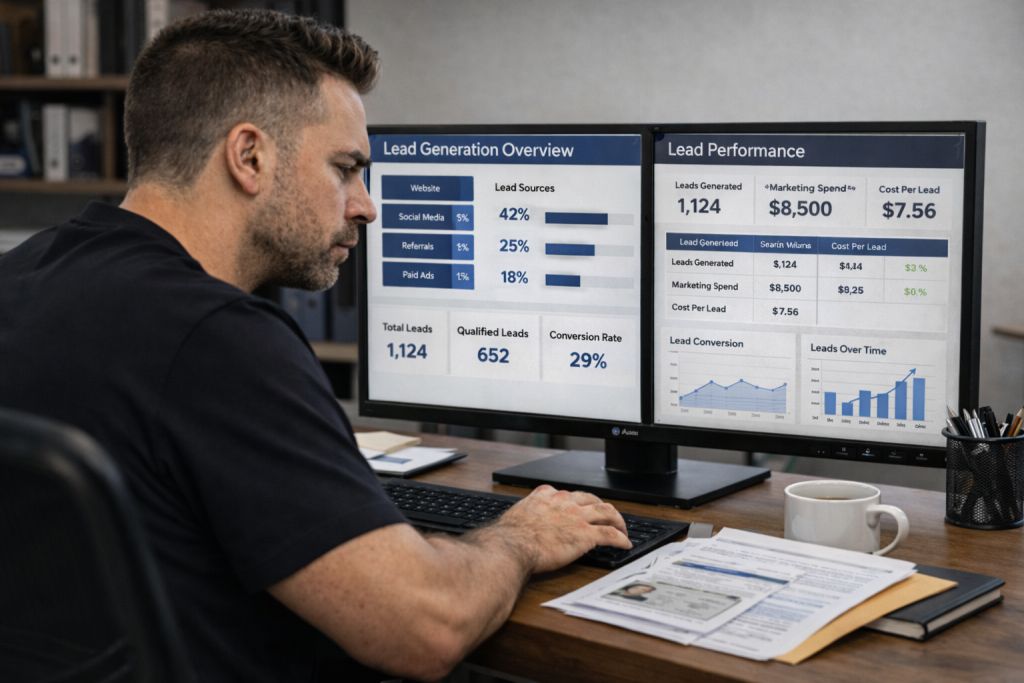
Measure lead quality weekly. Track spam rate, qualified rate, contact rate, booked rate, and close rate by channel and page. Cut the sources with the worst booked rate and scale the ones that produce real jobs.
From real life
Most Miami spam problems come from two things: broad targeting and open forms. When businesses add ZIP plus timeframe selection, require phone, tighten keywords, and push urgent buyers to call-first, spam drops and booked jobs rise.
Bottom line
To reduce spam calls and low-intent form submissions in Miami, tighten traffic intent, add CAPTCHA plus validation, require ZIP and timeframe, make boundaries obvious, screen calls early, and optimize by booked rate rather than lead volume.
Slightly, but it usually reduces spam far more. Use a lightweight option and test.
Service type, ZIP, timeframe, and required phone number.
Better to screen quickly with ZIP and route politely. Hard blocks can drop good leads.
Tighten keyword targeting and add ZIP plus timeframe gating on the form.
We build revenue-driven marketing systems for service businesses that need real customers, not just traffic.
This is a focused conversation to understand where your growth is being blocked and whether our system is the right fit. We will review your visibility, current marketing efforts, and next steps. If it makes sense, we move forward together. If not, you will leave with clarity.
Scheduale Your Call-min.jpg)
.jpeg)