.png)
To prevent Miami leads from going cold, set up automation that responds instantly, follows a day-one multi-touch cadence, continues with a 7–14 day re-engagement sequence, segments by intent, routes hot leads to humans fast, and stops messaging the moment the lead engages.
In short
Set up a speed-to-lead follow-up system that replies in minutes, repeats across multiple channels, and stops the moment the lead books or replies. For Miami, the goal is simple: confirm you received the request, ask one qualifying question, offer the next step, and keep nudging with short reminders for 7–14 days. Automation should route hot leads to your team immediately, while cold or unresponsive leads get a structured sequence that re-engages without sounding desperate.
What to do, step by step
Start by defining the outcomes that stop automation. Your follow-up must automatically pause when the lead books, replies, calls back, or is marked not a fit. Without stop rules, you will spam good leads and confuse your team.
Next, build a speed-to-lead first message that goes out immediately. Send an instant SMS and email confirming receipt, restating the service requested, and offering a clear next step. Ask one short qualifying question like “What ZIP is the job in?” or “How soon do you need this?” so real buyers can respond in seconds.
Then implement a 0–24 hour cadence that matches Miami competition. Do multiple touchpoints on day one: instant message, a second message 15–60 minutes later if no response, and one more later the same day. Keep messages short, specific, and focused on scheduling or a quick call-back window.
After that, run a 7–14 day sequence for non-responders. Use a mix of SMS + email, and add a voicemail drop if you have it. Alternate between value and simplicity: a quick reminder, a clear call-back window, a single question, and one proof point like “licensed/insured” or “same-week availability” if that is true for you. Do not write long paragraphs.
Next, segment by intent so you do not treat all Miami leads the same. High-intent leads (emergency, same-day, high-ticket) should trigger immediate human follow-up and tighter cadence. Medium intent gets the standard sequence. Low intent or price shoppers get fewer touches and a message that sets minimums or starting prices to filter.
Then fix routing and ownership so no lead falls between cracks. Every lead should be assigned instantly to one owner, with clear rules for when it escalates to a manager. Use a simple SLA like “first human touch within 5–15 minutes for qualified leads” and track it.
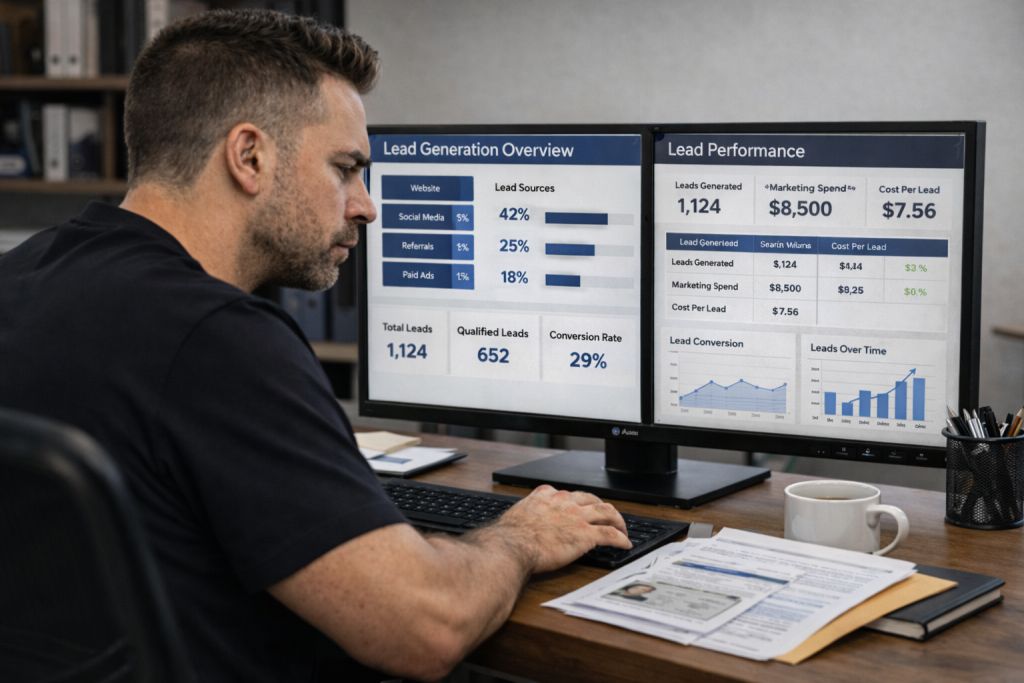
Finally, measure what matters and iterate weekly. Track speed-to-lead, contact rate, booked rate, show rate, and close rate by source and by neighborhood/ZIP. If leads go cold, it is usually because response time is slow, the messages are too generic, or the next step is unclear.
From real life
In Miami service markets, leads often submit multiple requests and choose the first confident responder. The biggest lift usually comes from instant SMS, a clear next step to booking, and a short day-one cadence. Most businesses lose deals simply because they wait hours, send one email, and stop.
Bottom line
To keep Miami leads from going cold, automate instant confirmation, follow with a structured multi-touch sequence for 7–14 days, segment by intent, and route hot leads to a human immediately with stop rules that prevent over-messaging once the lead engages.
FAQ
Q: What is the most important metric to prevent leads going cold?
A: Speed-to-lead. Getting a meaningful first response out in minutes usually beats any fancy sequence.
Q: Should I use SMS, email, or calls?
A: Use all three if possible. SMS typically gets the fastest replies, email supports details, and calls close fastest when the lead is warm.
Q: How many follow-ups is too many?
A: If your messages are short and stop immediately on engagement, 7–12 touches over 7–14 days is common. If people complain, tighten targeting and add clearer stop rules.
Q: How do I avoid sounding spammy?
A: Keep messages short, ask one easy question, offer a specific next step, and avoid repeated generic “just checking in” language.
We build revenue-driven marketing systems for service businesses that need real customers, not just traffic.
This is a focused conversation to understand where your growth is being blocked and whether our system is the right fit. We will review your visibility, current marketing efforts, and next steps. If it makes sense, we move forward together. If not, you will leave with clarity.
Scheduale Your Call-min.jpg)
.jpeg)